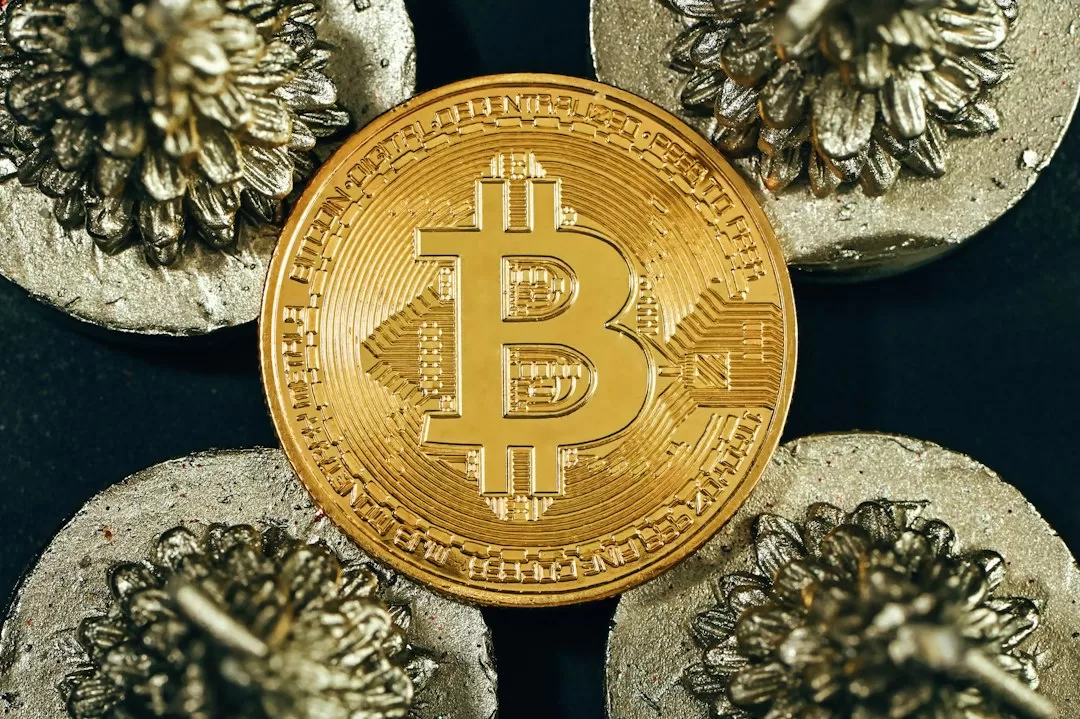
Bitcoin, the decentralized digital currency, has gained significant attention in recent years for its potential to promote economic freedom and financial inclusion, particularly in Africa. With its ability to bypass traditional banking systems and reduce transaction fees, Bitcoin offers a new way for individuals and businesses to conduct financial transactions. However, the use of Bitcoin also raises ethical considerations, such as the potential for illegal activities and the impact on traditional banking systems. In this article, we will explore the ethical implications of using Bitcoin in Africa and discuss its potential to revolutionize the African economy.
Key Takeaways
- Bitcoin is a decentralized digital currency that operates on a peer-to-peer network.
- Bitcoin adoption is on the rise in Africa due to its potential to revolutionize the economy.
- Bitcoin offers benefits such as lower transaction fees, faster transactions, and financial inclusion for African businesses and individuals.
- The ethical implications of Bitcoin in Africa include concerns about its potential use for illegal activities and its impact on traditional banking systems.
- The legal framework for Bitcoin in Africa is still evolving, with some countries embracing it while others remain skeptical.
What is Bitcoin and How Does it Work?
Bitcoin is a digital currency that operates on a decentralized network called blockchain. Unlike traditional currencies that are issued and regulated by central banks, Bitcoin is created through a process called mining, where powerful computers solve complex mathematical problems to validate transactions and add them to the blockchain. This decentralized nature of Bitcoin means that it is not controlled by any single entity or government, making it resistant to censorship and manipulation.
The technology behind Bitcoin, known as blockchain, is a distributed ledger that records all transactions made with Bitcoin. This ledger is maintained by a network of computers called nodes, which work together to validate and verify transactions. Once a transaction is verified, it is added to a block, which is then added to the blockchain. This transparent and secure system ensures that all transactions are recorded accurately and cannot be altered or tampered with.
The Rise of Bitcoin Adoption in Africa
In recent years, Africa has seen a significant increase in the adoption of Bitcoin. This can be attributed to several factors, including the lack of access to traditional banking services in many parts of the continent. According to the World Bank, around 66% of sub-Saharan Africans do not have access to formal banking services. This lack of access has created a demand for alternative financial solutions, such as Bitcoin.
Additionally, the high cost of remittances in Africa has also contributed to the rise of Bitcoin adoption. Many Africans living abroad rely on remittances to support their families back home, but traditional remittance services charge high fees and can take several days to process transactions. Bitcoin offers a faster and cheaper alternative, allowing individuals to send money directly to their loved ones without the need for intermediaries.
How Bitcoin is Revolutionizing the African Economy
Bitcoin is changing the way people in Africa conduct business by providing them with a secure and efficient means of transacting. With Bitcoin, individuals and businesses can send and receive payments instantly, without the need for intermediaries or expensive transaction fees. This has the potential to promote financial inclusion and economic growth in the region.
One of the key advantages of Bitcoin for African businesses is the ability to accept payments from customers around the world without the need for a traditional bank account. This opens up new opportunities for small businesses and entrepreneurs who may not have access to traditional banking services. Additionally, Bitcoin can help businesses reduce transaction costs by eliminating the need for intermediaries such as payment processors or banks.
For individuals, Bitcoin offers a secure and private way to store and transfer wealth. In countries with unstable economies or high inflation rates, Bitcoin can serve as a hedge against currency devaluation. By holding Bitcoin, individuals can protect their wealth from losing value and have more control over their financial future.
The Benefits of Bitcoin for African Businesses and Individuals
The use of Bitcoin in Africa offers several advantages for businesses and individuals alike. One of the main benefits is lower transaction fees compared to traditional banking systems. Traditional banks often charge high fees for international transfers or cross-border transactions, making it expensive for individuals and businesses to send money across borders. With Bitcoin, transaction fees are typically much lower, making it a more affordable option for cross-border payments.
Another advantage of using Bitcoin is increased security. Traditional banking systems are vulnerable to hacking and fraud, putting individuals’ and businesses’ funds at risk. Bitcoin, on the other hand, uses advanced cryptographic techniques to secure transactions and protect users’ funds. Additionally, Bitcoin transactions are recorded on the blockchain, providing a transparent and immutable record of all transactions.
Furthermore, Bitcoin offers greater financial inclusion for individuals who do not have access to traditional banking services. In many parts of Africa, people are excluded from the formal financial system due to factors such as lack of identification or credit history. Bitcoin provides an alternative means of transacting and storing wealth, allowing individuals to participate in the global economy.
The Ethical Implications of Bitcoin in Africa

While Bitcoin offers several benefits for individuals and businesses in Africa, its use also raises ethical considerations. One of the main concerns is the potential for illegal activities such as money laundering or financing terrorism. The decentralized nature of Bitcoin makes it difficult for authorities to track and regulate transactions, making it attractive to criminals who want to evade detection.
Another ethical concern is the impact of Bitcoin on traditional banking systems. As more people adopt Bitcoin as a form of currency, traditional banks may face a decline in customers and revenue. This could lead to job losses and economic instability in the banking sector. Additionally, the lack of regulation and oversight in the Bitcoin market can make it more susceptible to fraud and scams, putting users’ funds at risk.
The Legal Framework of Bitcoin in Africa
The legal status of Bitcoin varies across African countries. Some countries have embraced Bitcoin and blockchain technology, recognizing its potential for economic growth and financial inclusion. For example, countries like South Africa and Nigeria have seen a significant increase in Bitcoin adoption and have taken steps to regulate the industry.
However, other countries have taken a more cautious approach towards Bitcoin. Some African governments have expressed concerns about the potential for illegal activities and have imposed restrictions on the use of Bitcoin. For example, in Algeria, the use of Bitcoin is prohibited, and individuals caught using or trading Bitcoin can face legal consequences.
The challenges and opportunities for regulating Bitcoin in Africa are complex. On one hand, regulation can help protect users and prevent illegal activities. On the other hand, excessive regulation can stifle innovation and hinder the growth of the Bitcoin industry. Striking the right balance between regulation and innovation is crucial for the responsible use of Bitcoin in Africa.
The Future of Bitcoin in Africa
The future of Bitcoin in Africa looks promising, with the potential for continued growth and adoption. As more people gain access to smartphones and the internet, the demand for alternative financial solutions like Bitcoin is likely to increase. Additionally, the growing interest from governments and regulators in blockchain technology suggests that there will be more clarity and regulation surrounding the use of Bitcoin in the future.
However, there are also challenges that need to be addressed for Bitcoin to reach its full potential in Africa. One of the main challenges is educating people about Bitcoin and how to use it safely. Many people in Africa are still unfamiliar with Bitcoin and may be hesitant to adopt it due to a lack of knowledge or understanding. Providing accessible resources and tools for beginners can help bridge this knowledge gap and encourage more people to use Bitcoin.
Another challenge is improving the infrastructure for Bitcoin transactions in Africa. While mobile money services like M-Pesa have gained significant popularity in Africa, there is still a need for more widespread access to internet connectivity and reliable electricity. Without these basic infrastructure requirements, it will be difficult for Bitcoin to reach its full potential in the region.
Learn and Get Bitcoin in Africa: A Guide for Beginners
For those interested in learning about and acquiring Bitcoin in Africa, there are several resources and tools available. Online platforms such as Luno, Paxful, and BitPesa allow users to buy, sell, and store Bitcoin securely. These platforms often provide educational resources and customer support to help beginners navigate the world of Bitcoin.
Additionally, there are local Bitcoin communities and meetups in many African countries where individuals can learn from experienced Bitcoin users and network with like-minded individuals. These communities can provide valuable insights and support for beginners looking to get started with Bitcoin.
The Role of Bitcoin in Promoting Economic Freedom in Africa
In conclusion, Bitcoin has the potential to promote economic freedom and financial inclusion in Africa. By providing a secure and efficient means of transacting, Bitcoin can help individuals and businesses overcome the limitations of traditional banking systems. However, the use of Bitcoin also raises ethical considerations that need to be addressed, such as the potential for illegal activities and the impact on traditional banking systems.
To ensure the responsible use of Bitcoin in Africa, it is important for individuals and businesses to educate themselves about the technology and understand the risks involved. Additionally, governments and regulators need to strike a balance between regulation and innovation to protect users while fostering the growth of the Bitcoin industry.
Overall, Bitcoin offers a new way for Africans to participate in the global economy and take control of their financial future. With the right infrastructure and education, Bitcoin has the potential to revolutionize the African economy and promote economic freedom for all.
If you’re interested in learning more about the technical aspects of Bitcoin, you might want to check out the article on Bitcoin Private Keys. This article delves into the importance of private keys in securing your Bitcoin holdings and provides valuable insights on how to keep your digital assets safe. Understanding the intricacies of private keys is crucial for anyone looking to navigate the world of cryptocurrencies securely.
FAQs
What is Bitcoin?
Bitcoin is a digital currency that allows for peer-to-peer transactions without the need for a central authority or intermediary. It was created in 2009 by an unknown person or group using the pseudonym Satoshi Nakamoto.
What are the ethics of Bitcoin?
The ethics of Bitcoin are a topic of debate. Some argue that it promotes financial freedom and decentralization, while others argue that it enables illegal activities and lacks regulation.
Is Bitcoin legal?
The legality of Bitcoin varies by country. Some countries have banned it outright, while others have embraced it as a legitimate form of currency. In the United States, Bitcoin is legal but subject to regulation by the Financial Crimes Enforcement Network (FinCEN).
Can Bitcoin be used for illegal activities?
Bitcoin can be used for illegal activities, just like any other form of currency. However, it is not inherently illegal and can be used for legitimate purposes.
What are the benefits of using Bitcoin?
The benefits of using Bitcoin include lower transaction fees, faster transactions, and increased financial privacy. It also allows for greater financial freedom and decentralization.
What are the risks of using Bitcoin?
The risks of using Bitcoin include its volatility, lack of regulation, and potential for hacking or theft. It is also not widely accepted as a form of payment, which can limit its usefulness.
How can I buy and use Bitcoin?
Bitcoin can be bought and sold on cryptocurrency exchanges or through peer-to-peer transactions. It can be stored in a digital wallet and used to make purchases online or in-person at businesses that accept it as payment.